#计算recall, precision和AP class_recs = {} npos = 0 for imagename in imagenames: R = [obj for obj in recs[imagename] if obj['name'] == classname] bbox = np.array([x['bbox'] for x in R]) difficult = np.array([x['difficult'] for x in R]).astype(np.bool) det = [False] * len(R) #这个值是用来判断是否重复检测的 npos = npos + sum(~difficult) class_recs[imagename] = {'bbox': bbox, 'difficult': difficult, 'det': det}
# read dets detfile = detpath.format(classname) withopen(detfile, 'r') as f: lines = f.readlines()
splitlines = [x.strip().split(' ') for x in lines] image_ids = [x[0] for x in splitlines] confidence = np.array([float(x[1]) for x in splitlines]) BB = np.array([[float(z) for z in x[2:]] for x in splitlines])
# sort by confidence sorted_ind = np.argsort(-confidence) BB = BB[sorted_ind, :] image_ids = [image_ids[x] for x in sorted_ind]
# go down dets and mark TPs and FPs nd = len(image_ids) tp = np.zeros(nd) fp = np.zeros(nd) for d inrange(nd): R = class_recs[image_ids[d]] bb = BB[d, :].astype(float) ovmax = -np.inf BBGT = R['bbox'].astype(float)
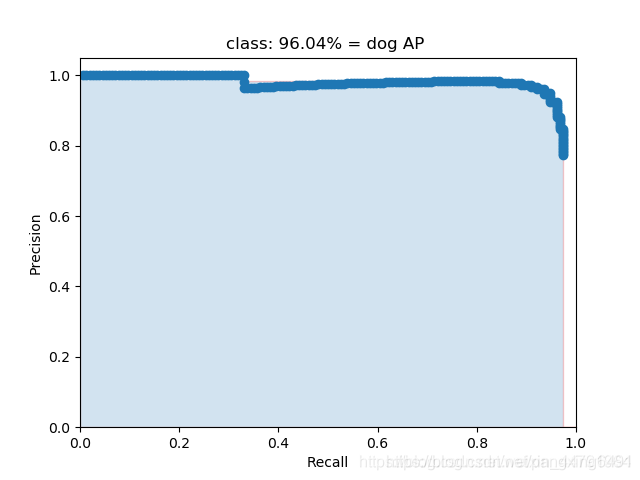
# compute precision recall fp = np.cumsum(fp) tp = np.cumsum(tp) rec = tp / float(npos) # avoid divide by zero in case the first detection matches a difficult # ground truth prec = tp / np.maximum(tp + fp, np.finfo(np.float64).eps) ap = voc_ap(rec, prec, use_07_metric)
defvoc_ap(rec, prec, use_07_metric=False): """Compute VOC AP given precision and recall. If use_07_metric is true, uses the VOC 07 11-point method (default:False). """ if use_07_metric: # 11 point metric ap = 0. for t in np.arange(0., 1.1, 0.1): if np.sum(rec >= t) == 0: p = 0 else: p = np.max(prec[rec >= t]) ap = ap + p / 11. else: # correct AP calculation # first append sentinel values at the end mrec = np.concatenate(([0.], rec, [1.])) mpre = np.concatenate(([0.], prec, [0.]))
# compute the precision envelope for i inrange(mpre.size - 1, 0, -1): mpre[i - 1] = np.maximum(mpre[i - 1], mpre[i]) i = np.where(mrec[1:] != mrec[:-1])[0]
# and sum (\Delta recall) * prec ap = np.sum((mrec[i + 1] - mrec[i]) * mpre[i + 1]) #计算面积 return ap
1
2
3
4
5
6
7
8
9
10
11
12
13
14
15
16
17
18
19
defmAP(): detpath,annopath,imagesetfile,cachedir,class_path = get_dir('kitti') ovthresh=0.3, use_07_metric=False rec = 0; prec = 0; mAP = 0 class_list = get_classlist(class_path) for classname in class_list: rec, prec, ap = voc_eval(detpath, annopath, imagesetfile, classname, cachedir, ovthresh=0.5, use_07_metric=False, kitti=True) print('on {}, the ap is {}, recall is {}, precision is {}'.format(classname, ap, rec[-1], prec[-1])) mAP += ap mAP = float(mAP) / len(class_list) return mAP